

Health Awareness & Reproductive Child Health Programs
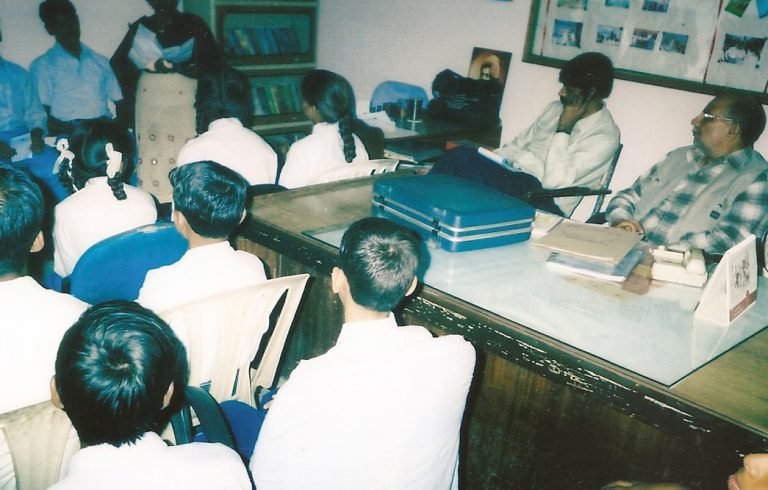
Health Awareness Camp
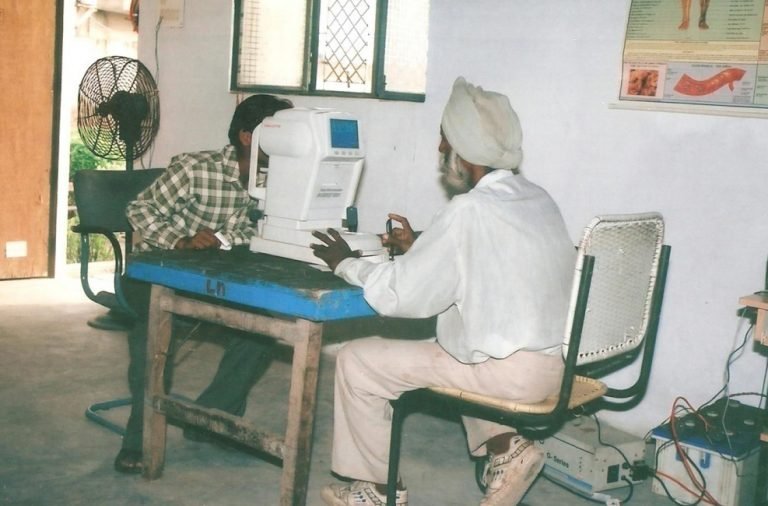
A holistic approach to women’s health is adopted, focusing on both nutrition and health services, with special attention to women and girls at all stages of life. Key priorities include reducing Infant Mortality Rate (IMR) and Maternal Mortality Rate (MMR) in alignment with the National Population Policy 2000. Women are provided access to comprehensive, affordable, and quality healthcare, taking into account reproductive rights, vulnerability to sexual and health-related issues, infectious and communicable diseases like malaria, TB, water-borne diseases, hypertension, and cardio-pulmonary conditions.
Social and developmental impacts of HIV/AIDS and other sexually transmitted diseases are addressed from a gender-sensitive perspective. Traditional knowledge on health and nutrition is documented and promoted, while Indian and alternative medicine systems are encouraged within the existing health infrastructure to enhance women’s health services.
Intervention on RTI/STD/HIV/AIDS Prevention & Control
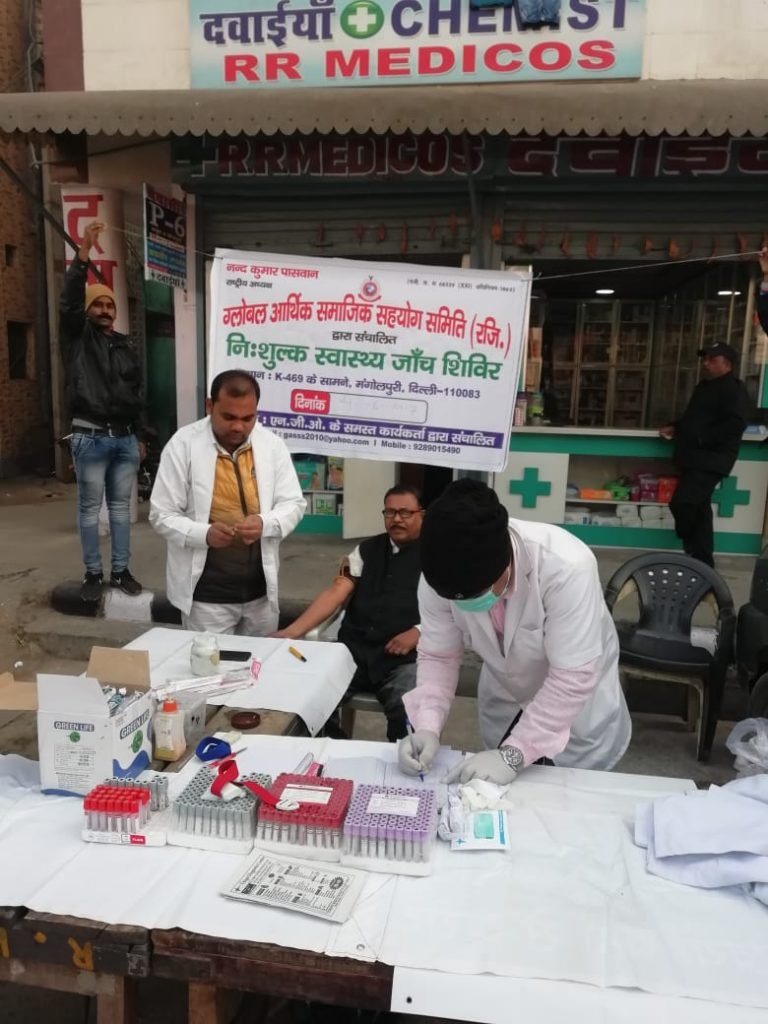
Area of Operation: Mangolpuri, Delhi-110083
Objectives:
- Provide accurate information about RTI/STD/HIV/AIDS prevention and control.
- Change community behavior through awareness campaigns.
- Promote safe sexual practices including condom use.
- Prevent and control sexually transmitted infections (STIs) and reproductive tract infections (RTIs).
- Establish an enabling environment for health awareness and services.
Approach: IPC (Information, Persuasion, Communication), counseling sessions, brainstorming workshops, condom distribution & social marketing, detection & referral services, coordination with stakeholders.
Target Population: 18-45 years, children 0-5 years.
Impact Assessment: Prevention of polio, creation of healthy environment, and community awareness on reproductive health.
Reproductive Child Health Care (RCH)
Objectives:
- Ensure proper psychological, physical, and social development of children.
- Mobilize communities to achieve universal immunization for children aged 0-6 years.
- Empower mothers with knowledge of child health, nutrition, and hygiene.
- Improve capacity of village health workers and strengthen local health infrastructure.
- Encourage safe deliveries conducted by trained personnel.
- Promote responsible parenting and use of contraceptives among eligible couples.
- Raise awareness among mothers, children, adolescents, and women for sustainable health practices.
Approach:
- Community sensitization and mobilization.
- Capacity building of untrained village health workers.
- Empowerment of women for improved childcare knowledge and functional skills.
- Engagement with adolescents to improve reproductive health knowledge.
- Health and nutrition education adapted to local resources.
- Strengthening referral services for maternal and child care.
- Universal vaccination for children and pregnant women.
- Enhancement of antenatal and postnatal care services.
- Creation of self-sustaining village-level health support systems.
Target Population: Total population: 2500; Children (0-6 years): 1500; Eligible couples: 1000
Impact Assessment:
- Increased awareness among villagers, particularly women, on reproductive and child health (RCH).
- Universal vaccination and immunization for children and pregnant women.
- Increase in institutional deliveries by 45%.
- Reduction in Infant Mortality Rate (IMR) by 6 points.
- Improved nutritional status of children and overall community health.